
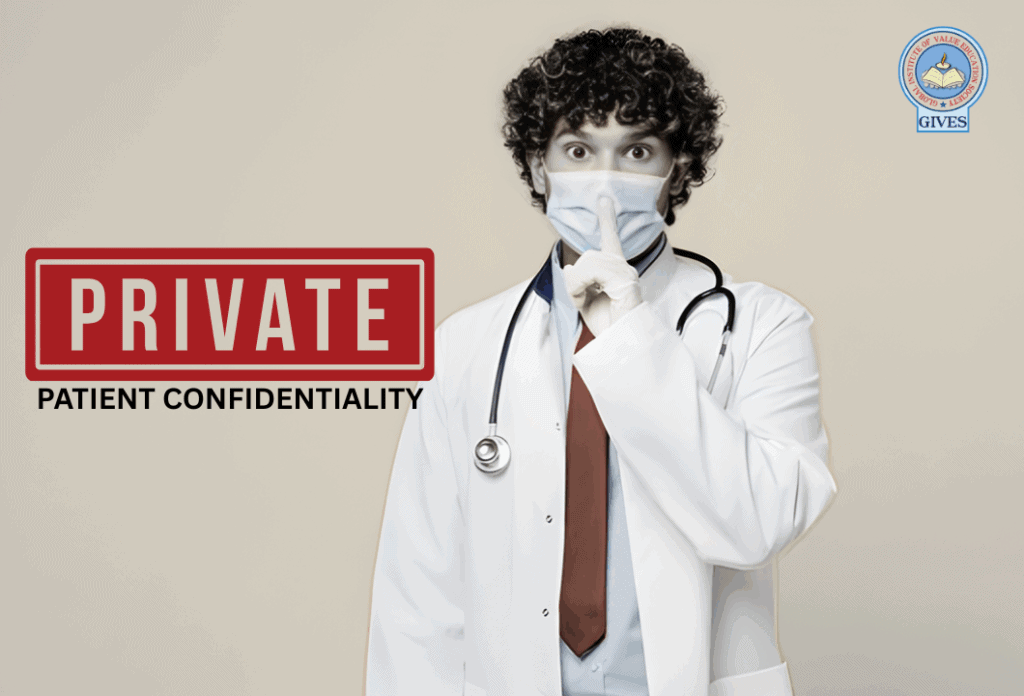
Every patient trusts their doctor with something personal about their health information. Whether it’s medical history, test results, or a private conversation, that data represents trust. But what happens when this trust is broken? In today’s digital era, maintaining healthcare privacy isn’t just an ethical duty; it’s a legal one.
Understanding the patient confidentiality law and the legal issues in patient data is essential for every healthcare professional. Breaches, even accidental ones, can lead to lawsuits, penalties, and loss of credibility.
What Is Patient Confidentiality?
Patient confidentiality means keeping a patient’s medical information private and sharing it only with those directly involved in their care. This principle forms the foundation of the doctor-patient relationship.
Confidentiality isn’t limited to words or documents. It extends to digital records, prescriptions, emails, and even casual discussions about patients. Every piece of patient information, no matter how small, deserves protection.
The Legal Side of Patient Confidentiality
1. The Law Protects Patient Privacy
In India and globally, several laws govern patient confidentiality and healthcare privacy. These include the Indian Medical Council (Professional Conduct, Etiquette and Ethics) Regulations and the Information Technology Act. They make it mandatory for healthcare professionals to protect patient data and use it responsibly.
2. Disclosure Without Consent Is a Legal Offense
Sharing patient data without written consent can lead to serious legal issues in patient data management. Whether it’s disclosing details to the media, colleagues, or even family members without authorization, it violates both ethical and legal obligations.
3. Electronic Data Is Not Exempt
In an age of digital records and online consultations, protecting electronic data is equally important. Hospitals and clinics must secure their systems against hacking, unauthorized access, or data leaks. A single breach can lead to major penalties and reputational damage.
4. Exceptions Exist, But They’re Limited
There are limited situations where disclosure is permitted, for example, reporting notifiable diseases, assisting law enforcement, or in cases where public safety is at risk. Even in these scenarios, the disclosure should be minimal and justified.
5. Staff Awareness Is Critical
Doctors alone aren’t responsible for maintaining confidentiality. Every nurse, receptionist, and administrative staff member must understand patient confidentiality laws. One careless comment or misplaced file can lead to major consequences.
Why Breaches Happen
Most breaches don’t come from bad intentions. They happen due to negligence leaving files open, using unsecured Wi-Fi, or discussing cases in public areas.
Another growing concern is social media. Many healthcare professionals unknowingly post patient-related information online, violating privacy rules.
That’s why it’s important to not only follow legal guidelines but also undergo proper medico-legal training to understand real-world implications.
How GIVES Helps Doctors and Hospitals Stay Legally Safe
At GIVES (Global Institute of Value Education Society), we bridge the gap between medicine and law. We train healthcare professionals, administrators, and legal experts to manage sensitive patient data responsibly.
Our Medico-Legal Consultancy Programs, designed by Adv. Dr. Arun Mishra, cover everything from patient confidentiality to healthcare compliance. Through practical case studies and expert insights, doctors and hospital staff learn how to:
- Handle patient information legally and ethically
- Draft and maintain proper consent forms
- Avoid breaches in digital and physical records
- Understand medico-legal risks and preventive actions
Programs offered by GIVES include:
- Comprehensive Medico-Legal Consultancy Program (6 Months)
- Advanced Medico-Legal Consultant Program (3 Months)
- Mastery in Medico-Legal Consultancy (1 Year)
Frequently Asked Questions (FAQs)
1. Why is patient confidentiality so important for doctors?
Because it forms the foundation of trust. Patients share sensitive details expecting complete privacy. Violating this trust can lead to both ethical and legal consequences.
2. What happens if a doctor accidentally discloses patient data?
Even accidental disclosures can lead to complaints, disciplinary action, and in some cases, legal penalties. Medico-legal awareness helps doctors prevent such errors.
3. How does digitalization affect patient confidentiality?
With the rise of online records and telemedicine, digital data protection has become a priority. Doctors and hospitals must secure systems and follow IT regulations to prevent breaches.
4. How can GIVES help healthcare professionals handle patient data safely?
GIVES provides structured medico-legal education programs that teach doctors and hospitals how to manage, share, and protect patient data legally and ethically.
5. Where can I learn more about patient confidentiality laws in India?
Visit www.gives.co.in to explore our medico-legal courses and resources designed to help you stay compliant and confident in your medical practice.
Protecting Patients Means Protecting Yourself
Patient confidentiality is not just a professional courtesy it’s a legal and moral responsibility. In today’s connected world, maintaining healthcare privacy requires awareness, training, and discipline.
By staying informed about patient confidentiality laws and understanding the legal issues in patient data, doctors can prevent lawsuits, preserve trust, and maintain ethical excellence. At GIVES, we empower healthcare professionals with the knowledge and confidence to handle patient information safely and legally ensuring protection for both the healer and the healed.