
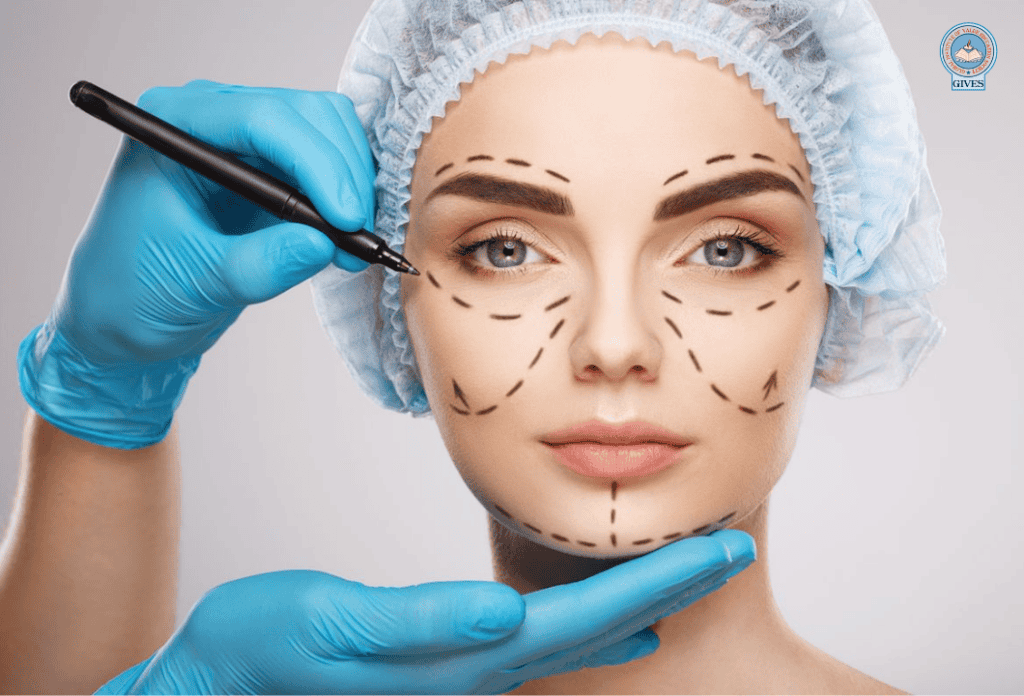
Cosmetic and aesthetic treatments are becoming more popular every year. People want quick results, smooth skin, and confidence boosts. More doctors are entering this field because it is exciting and rewarding. But many do not realize that cosmetic procedures come with serious legal risks.
In aesthetic practice, patients expect perfect results. Even small issues can turn into complaints. That is why every cosmetic doctor must understand the legal side of these treatments.
Let us look at a real-life situation.
A young woman visits a clinic for a chemical peel before her wedding. The doctor explains the process verbally but does not take written consent. The patient has sensitive skin, which was not properly documented. After the peel, she develops redness and mild burns. She panics and tells her family that the clinic “ruined” her face before the wedding.
The family demands answers. They ask for consent forms. They ask for pre-procedure records. They ask for written instructions. The clinic has none of these.
Even though the doctor did not intend any harm, the lack of documentation and proper consent becomes the biggest legal problem.
This situation is common in real cosmetic practice. Patients expect flawless results, and when expectations do not match reality, legal complaints begin. Proper communication and documentation could have prevented the issue.
So what should cosmetic doctors do to stay legally safe?
- Take written informed consent for every procedure.
- Document patient history, allergies, treatment plan, and aftercare instructions.
- Explain risks, possible side effects, downtime, and realistic expectations.
- Use only approved products and equipment.
- Keep before and after photos as part of the medical record.
At GIVES, we train doctors to understand the medico-legal side of aesthetic treatments. Through real examples and simple guidance, doctors learn how to avoid mistakes, prevent complaints, and protect their practice.
FAQs
1. Why are cosmetic procedures considered high-risk legally?
Because results vary and patients often expect perfection, leading to higher dissatisfaction and complaints.
2. Do cosmetic procedures require written consent?
Yes. Written consent is one of the strongest legal protections for cosmetic doctors.
3. What kind of documentation is needed in aesthetic treatments?
Consent forms, medical history, procedure notes, product details, and before and after photos.
4. Can a patient take legal action if they are unhappy with results?
Yes. Even if the doctor did everything correctly, a patient may still file a complaint, which is why documentation is essential.
5. How can medico legal training help cosmetic doctors?
Training teaches doctors how to handle complaints, set expectations, collect consent, and stay legally safe.
Conclusion
Cosmetic and aesthetic practice can be wonderful, but only when doctors understand the legal responsibilities that come with it. Clear communication, strong documentation, and medico-legal awareness are key to building a safe and trusted practice. With proper training from GIVES, doctors can offer beautiful results while keeping themselves fully protected.