In the world of healthcare, doctors and medical staff dedicate their lives to healing others. Yet, despite their best efforts, misunderstandings, complaints, or even legal challenges can arise. In such situations, one element often determines whether a doctor stands protected or vulnerable – documentation.
Documentation is not just about keeping records; it’s about creating a factual, written shield that safeguards healthcare professionals. Let’s understand why maintaining accurate medical documentation is so crucial and how it can prevent medico-legal troubles.
Why Documentation Matters in Healthcare
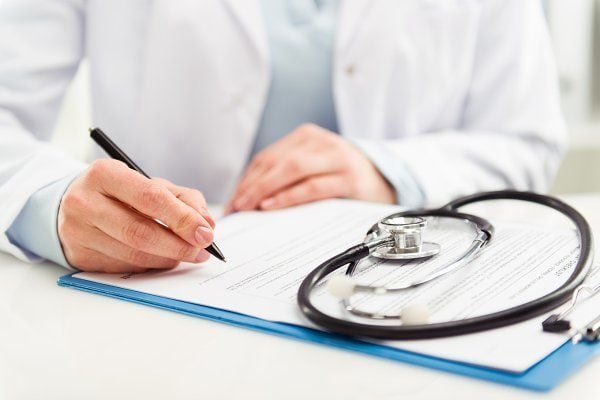
For every doctor, nurse, or medical institution, documentation acts as proof of care. It records the treatment decisions, patient consent, follow-up actions, and any communication between the patient and the healthcare provider.
When an allegation arises, say, a patient claims misdiagnosis or negligence, well-maintained documents provide evidence that the professional followed due medical standards. Without proper records, even a genuine effort may look like an error in the eyes of law.
At GIVES (Global Institute of Value Education Society), we emphasize that “if it isn’t written, it didn’t happen.” Documentation doesn’t just support medical practice it protects reputations, careers, and the trust doctors build over years.
Real-Life Impact of Poor Documentation
Imagine a doctor performing a standard procedure, but the patient develops an unexpected complication. The doctor did everything right yet the absence of clear notes about the treatment steps or patient consent can make it appear as negligence in court.
This situation isn’t rare. Many doctors lose cases not because they made mistakes, but because they failed to document properly.
A simple missed note, an unsigned consent form, or an incomplete entry can turn into a legal disaster. That’s why medico-legal awareness and documentation training are no longer optional; they are essential for every healthcare professional.
How Proper Documentation Safeguards You
- Provides Legal Protection:
Detailed notes can prove that the doctor acted ethically, responsibly, and as per medical standards. - Ensures Patient Safety:
Documentation helps maintain treatment continuity especially when multiple professionals handle a single case. - Builds Transparency and Trust:
When patients see clarity in reports and consent forms, it builds confidence in their doctor. - Helps During Legal Inquiries:
In case of investigations or court cases, written documentation becomes your strongest legal defense. - Improves Professional Practice:
Recording every step helps doctors review their performance and continuously improve their patient care.
How GIVES Helps Healthcare Professionals Master Documentation
At GIVES (Global Institute of Value Education Society), we’ve designed specialized Medico-Legal Consultancy Programs that guide doctors, healthcare workers, and medico-legal consultants on how to document effectively and stay compliant with current legal standards.
Our programs are led by Adv. Dr. Arun Mishra, a renowned medico-legal expert simplifies complex laws into practical steps that healthcare professionals can apply daily.
By joining our courses, professionals learn how to:
✅ Create legally compliant patient records.
✅ Draft accurate consent forms.
✅ Maintain digital documentation ethically.
✅ Handle patient communication transparently.
GIVES doesn’t just train you to write records it trains you to protect your practice and peace of mind.
FAQs
1. Why is documentation so important for doctors?
Documentation serves as proof of medical care. It provides evidence that the doctor followed proper medical protocols, protecting them in case of disputes or complaints.
2. Can poor documentation lead to medico-legal problems?
Yes. Many doctors face legal challenges not due to negligence but due to lack of written evidence. GIVES teaches professionals how to avoid such risks through proper record-keeping.
3. How does GIVES help improve documentation skills?
GIVES offers medico-legal courses that cover everything from accurate medical record creation to legal documentation practices, helping doctors stay compliant and confident.
4. Who can join GIVES medico-legal programs?
Our programs are open to doctors, nurses, hospital administrators, and medico-legal lawyers who want to strengthen their understanding of medico-legal documentation and compliance.
5. What is the biggest benefit of joining a GIVES course?
You gain practical medico-legal knowledge that helps you handle real-world challenges from managing patient consent forms to safeguarding yourself from unnecessary legal trouble.
Conclusion
Good documentation is more than a habit, it’s a shield. In today’s healthcare system, where patient awareness and legal actions are increasing, being careless about records can cost more than just money; it can cost one’s career.With GIVES’ medico-legal programs, you gain the knowledge and confidence to ensure that your documentation not only serves medical accuracy but also offers strong legal protection when needed.